Guide
The Strap-Drop Check I Finish Before Routing a Bag
A bag can have the right width and still sit badly when the strap drop is guessed. Record the carry method, usable drop and adjustment evidence before routing it.
A bag width can be exact while the carry still feels wrong. The missing number is often strap drop: the vertical space from the top of the bag to the point where the strap rests.
Before routing a bag, I name the carry method first: hand, shoulder, high crossbody or low crossbody. “Adjustable strap” does not answer any of those.
Use the shortest and longest useful settings
I record strap length or drop with its source. For a buckle, I want the first and last practical hole, not the full loose strap. For a chain, I note whether doubled and single configurations are genuinely wearable.
A known bag helps. I compare where it lands on my body and whether a coat changes the required room. If the listing only shows a very small model or a heavily posed photo, I keep the fit as uncertain.
While browsing the bag directory, clearer carry evidence can beat a more attractive silhouette. The intended use decides whether short drop is a feature or a problem.
I save the carry method, useful range and one missing question in the working sheet. The route is ready when the strap can reach the intended position without using an imaginary adjustment. Otherwise I request the measurement or hold the link.
Related route index
Bags
Browse Bags through OOPBuy Directory, with domain-specific buying notes, QC reminders and agent-friendly details for US shoppers.
Open route indexMore paths
Explore the matrix
Route picks
Route-linked finds
Product pages connected to this route note for category fit, QC questions and OOPBuy handoff research.
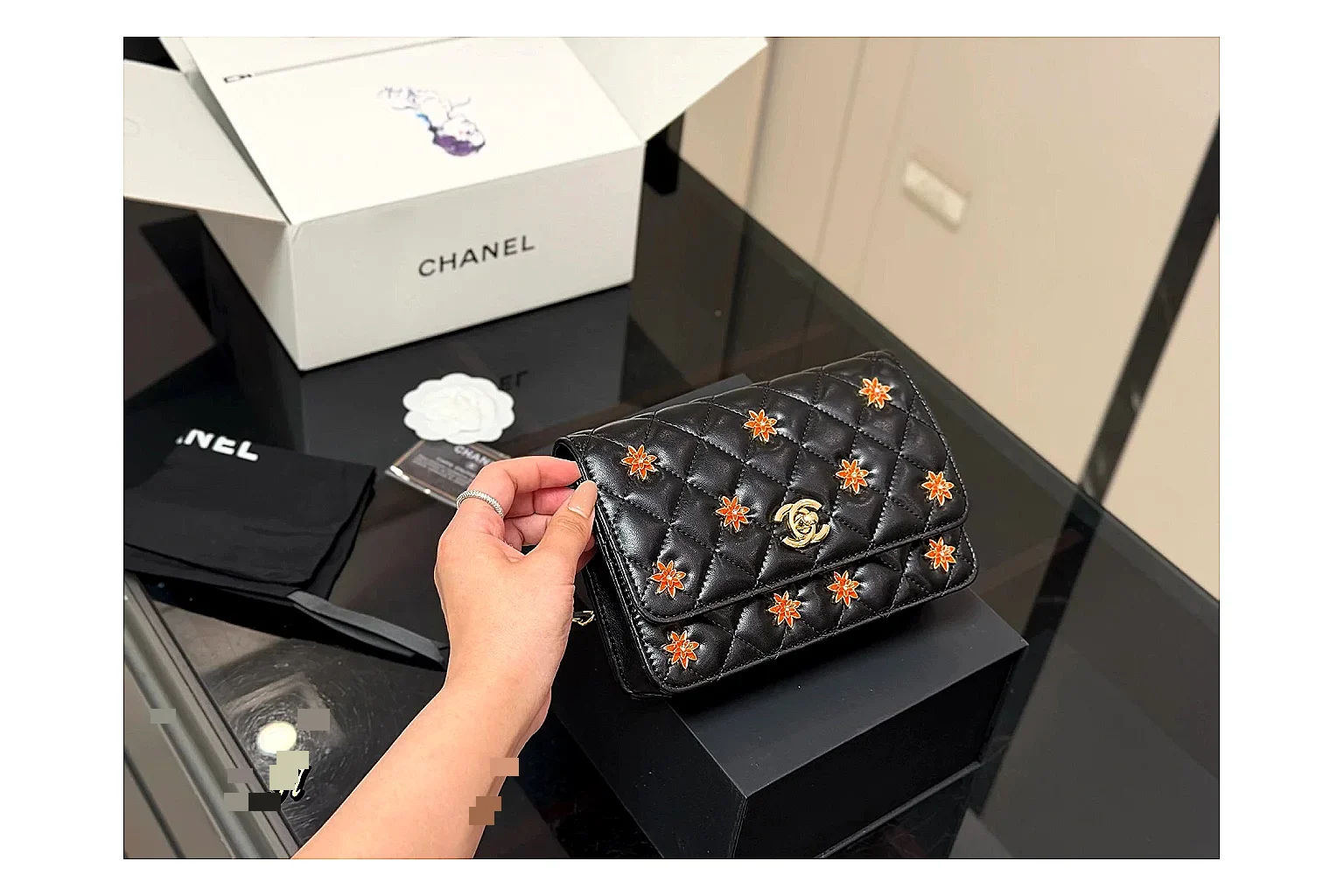
OOPBuy directory notes for saving this black floral quilted wallet bag with route, size, color, and checkout details.