Guide
The Use Note I Add Before Routing a Running Shoe
A running-shoe listing can look convincing without explaining what the pair is meant to do. Write the use note first, then decide whether its size, cushioning and route make sense.
I can talk myself into almost any running shoe if I start with the product photo. A thick midsole looks comfortable. A light upper looks fast. A neutral color looks easy to wear. None of that tells me what I expect the pair to do once it arrives.
Before I choose a route, I write one use note: daily walking, short easy runs, gym use, or mostly lifestyle wear. If I cannot finish that sentence, the link stays saved.
The use note changes which evidence matters
A lifestyle pair does not need the same proof as a shoe I expect to run in. For everyday wear, I care more about repeatable fit, upper comfort and whether the shape works with the rest of my rotation. For actual running, a vague size conversion and a soft-looking midsole are not enough. I want clearer fit context and a reason to trust the construction for that use.
I browse the running-shoe directory only after the note exists. It gives the comparison a boundary. A shoe intended for errands should not win because it looks more technical than the pair intended for the same simple job.
Keep one unresolved question beside the route
The note also exposes the missing check. It might be width, removable-insole length, heel hold, or whether the outsole pattern suits the surface I have in mind. I do not turn that into a long checklist. One unresolved question is enough to decide whether the route can move or should wait.
The broader route-readiness check comes next. By then, “ready” has a real meaning: the shoe has a job, the important fit question is answered or requested, and adding it will not duplicate a pair already taking the same route.
My final note is usually plain: “daily walk, compare width before order.” That line is more useful than another tab full of promising running shoes.
Route picks
Route-linked finds
Product pages connected to this route note for category fit, QC questions and OOPBuy handoff research.
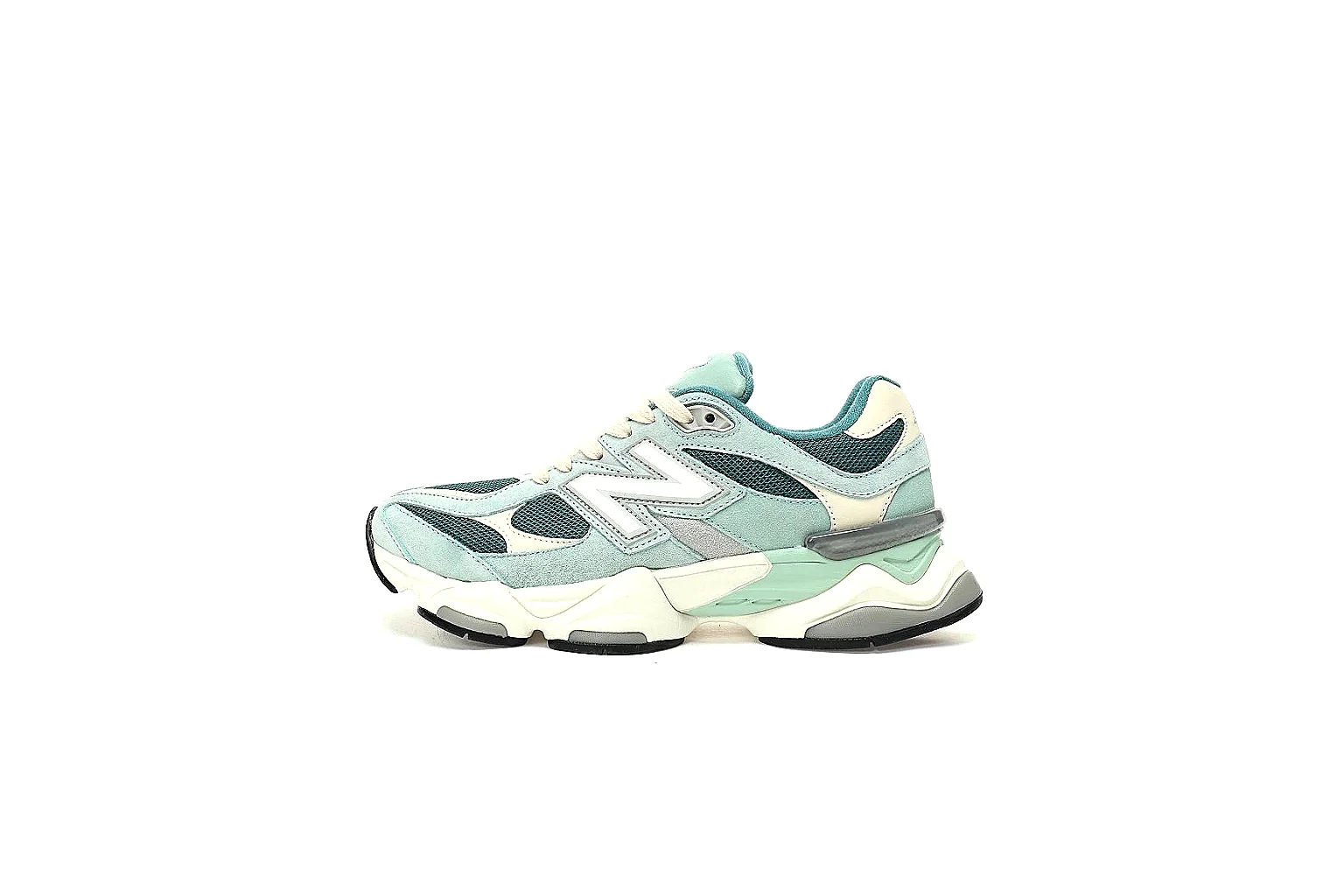
A checkout-oriented record for routing this mint 9060-style pair through OOPBuy with the correct size option.
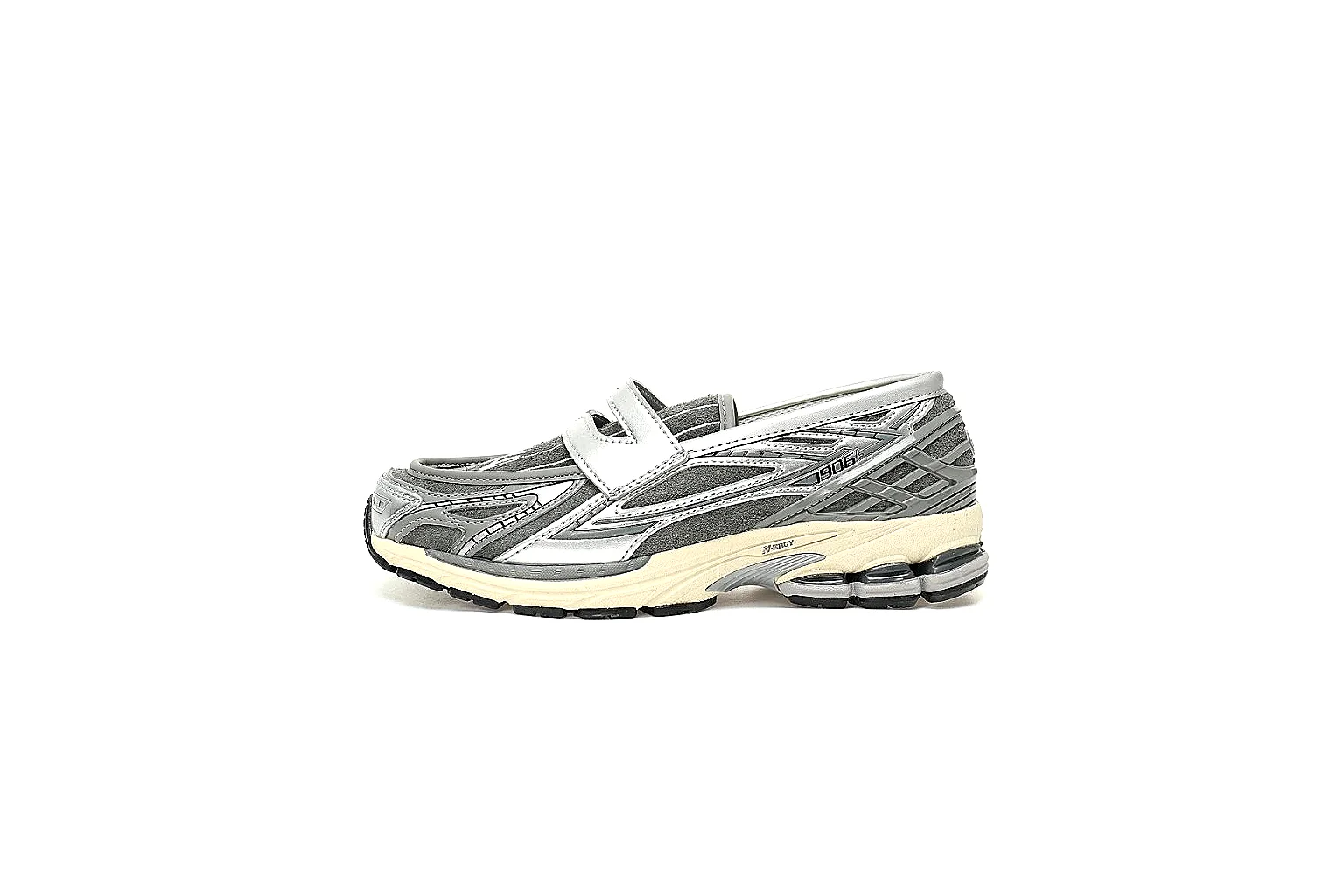
OOPBuy handoff for a silver grey 1906L loafer runner with exact size list and visual option checks.
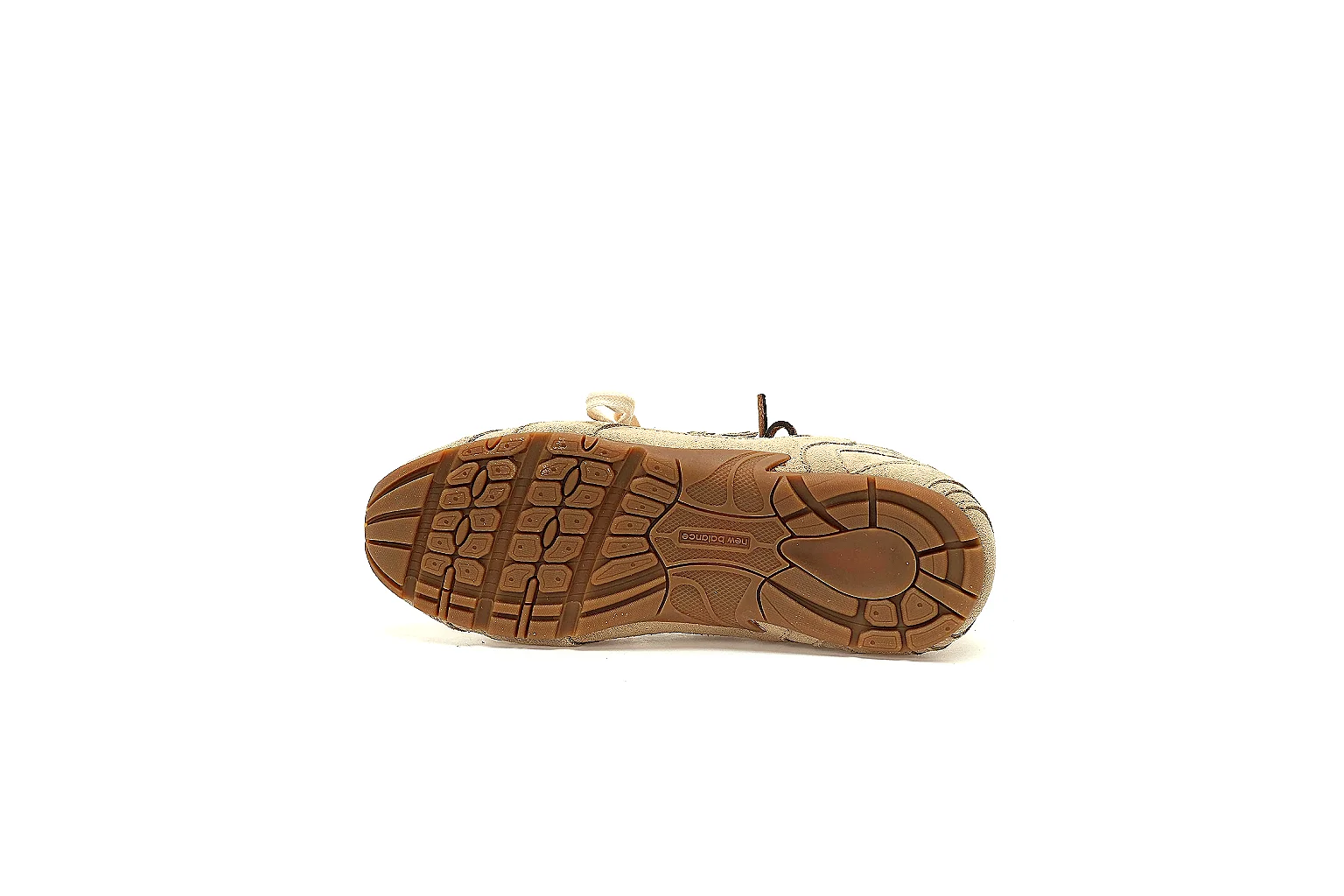
OOPBuy-ready brief for the beige New Balance 530 with gum sole, mixed laces and visible six-angle proof.
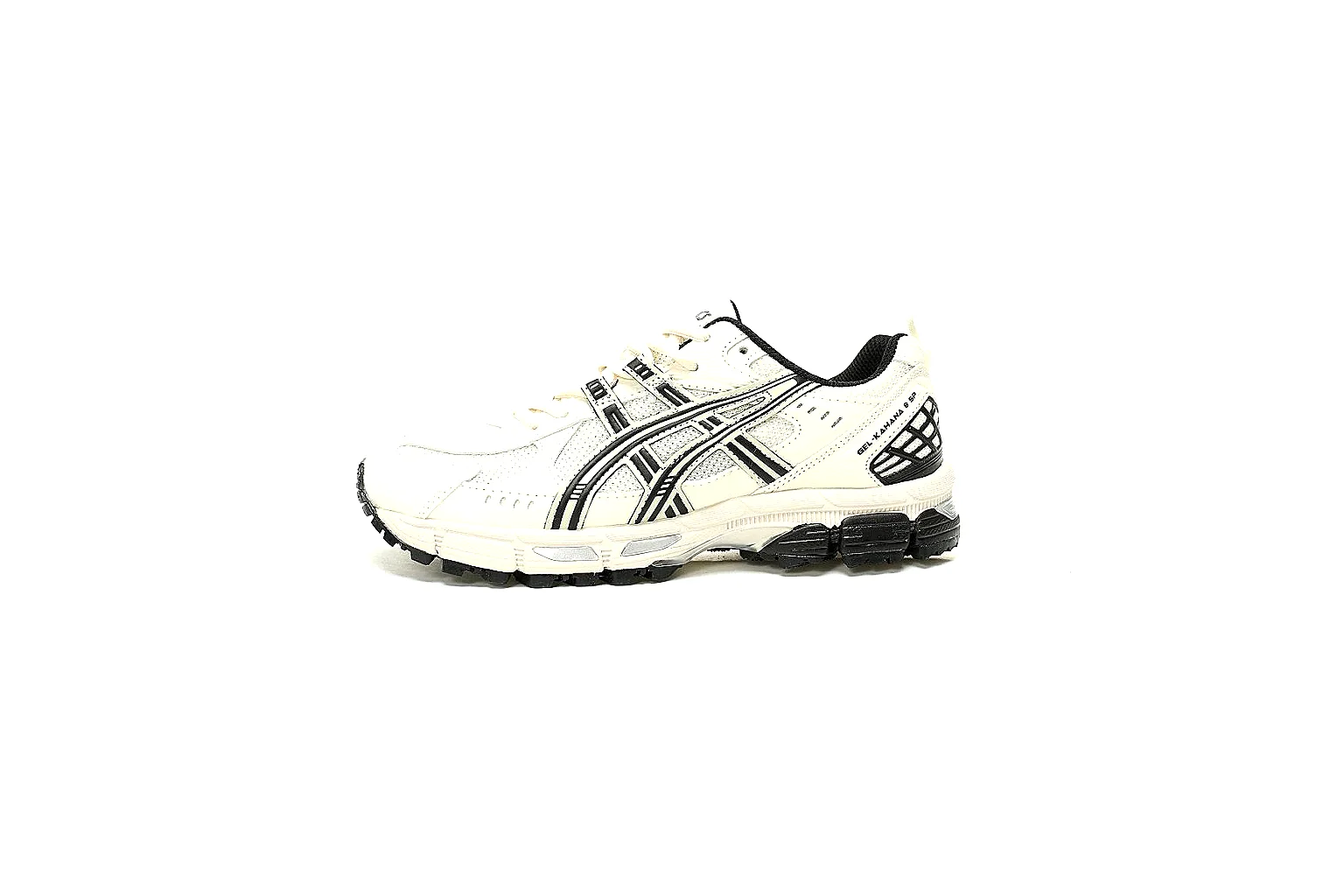
OOPBuy-focused brief for the white black ASICS GEL-Kahana 8 SP with size list and image checks.