Guide
The T-Shirt Measurement Line I Need Before Choosing a Route
A size label is a weak reason to route a T-shirt. Save one line with the actual garment measurements, the comparison shirt and the unanswered fit question first.
A T-shirt link can look ready long before it is ready to route. The front graphic is clear, the color works, and the seller has a row of sizes. Then I notice that the only fit evidence is “M, L, XL.” That is not enough for a shirt I expect to wear rather than merely receive.
I pause and write one measurement line before choosing a route: chest width × body length × shoulder, compared with one shirt I already own. If two of those numbers are missing, the link stays in research.
The label is not the fit
Letter sizes drift between sellers. They can even drift between two colors on what appears to be the same listing. Chest width tells me whether the shirt will sit close or hang loose. Length tells me whether it will work untucked. Shoulder width helps explain why two shirts with the same chest number can feel completely different.
I do not need a perfect chart. I need enough information to compare the listing with a known shirt. My note might read: “Target is 56 cm pit to pit, 72 cm long; ask for shoulder; do not size up only from the label.” That sentence is more useful at checkout than a screenshot of the seller's size row.
Route status in three short lines
Ready: the selected size has garment measurements, and they are close to a shirt that fits the intended way.
Needs one answer: chest and length are usable, but the shoulder or measurement method is unclear. I can route it only if the unanswered point would not change the size.
Hold: the chart mixes body measurements with garment measurements, the units are uncertain, or every size increases by suspiciously identical amounts. A low price does not make that ambiguity smaller.
I browse the T-shirt directory after writing the line, not before. The note gives me a fair way to compare another shirt that may have a quieter graphic but much better sizing evidence.
Keep the decision beside the link
The measurement line belongs in the working sheet with the source URL, chosen color, intended fit and next action. I also note whether the numbers came from a chart, a seller reply or an actual garment photo. Those sources are not equally reliable.
My final check is plain: could someone reopen this row tomorrow and understand why I chose that size? If the answer is no, I request the missing measurement or leave the shirt unrouted. It is a small delay, and much cheaper than building a parcel around a guess.
Route picks
Route-linked finds
Product pages connected to this route note for category fit, QC questions and OOPBuy handoff research.
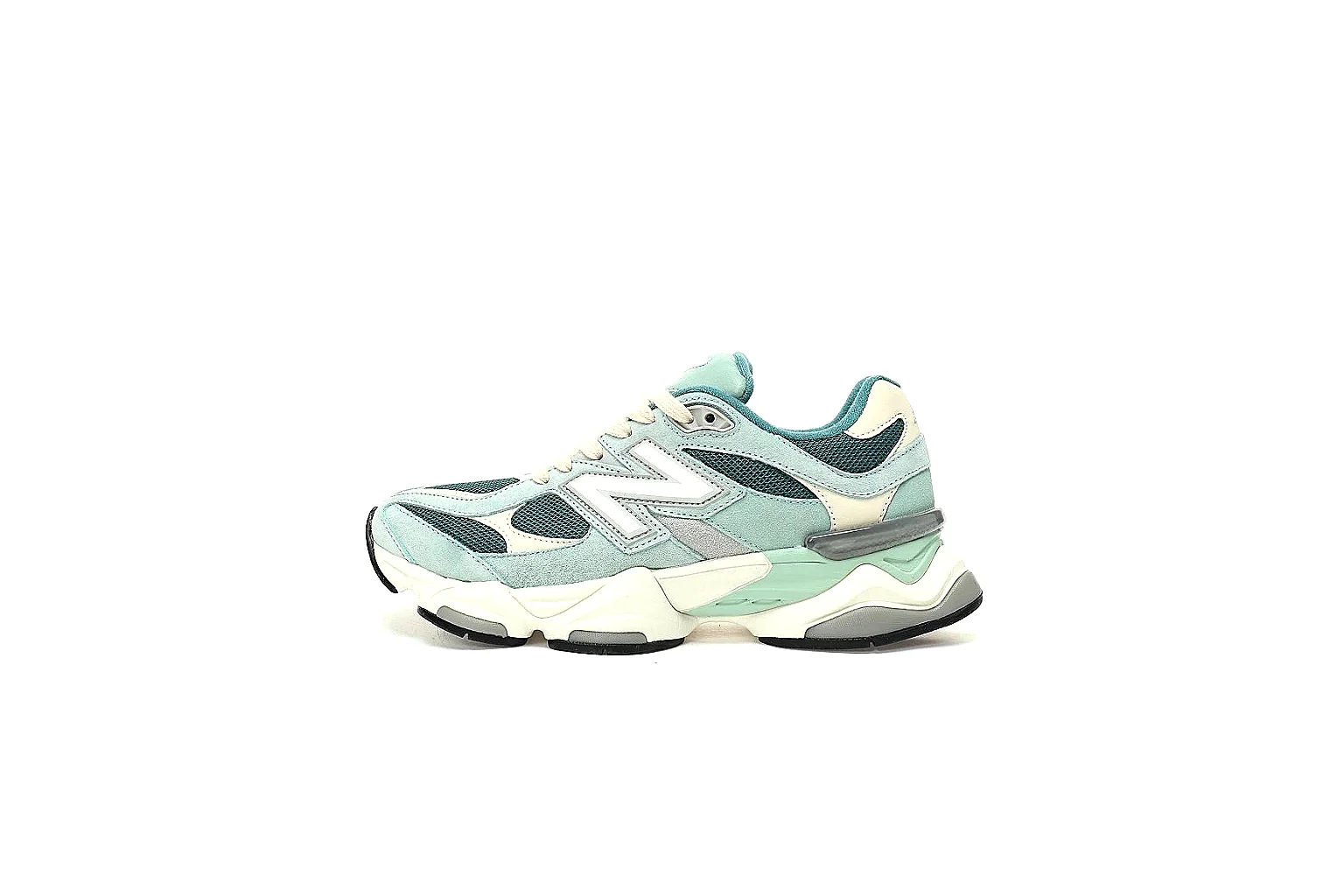
A checkout-oriented record for routing this mint 9060-style pair through OOPBuy with the correct size option.
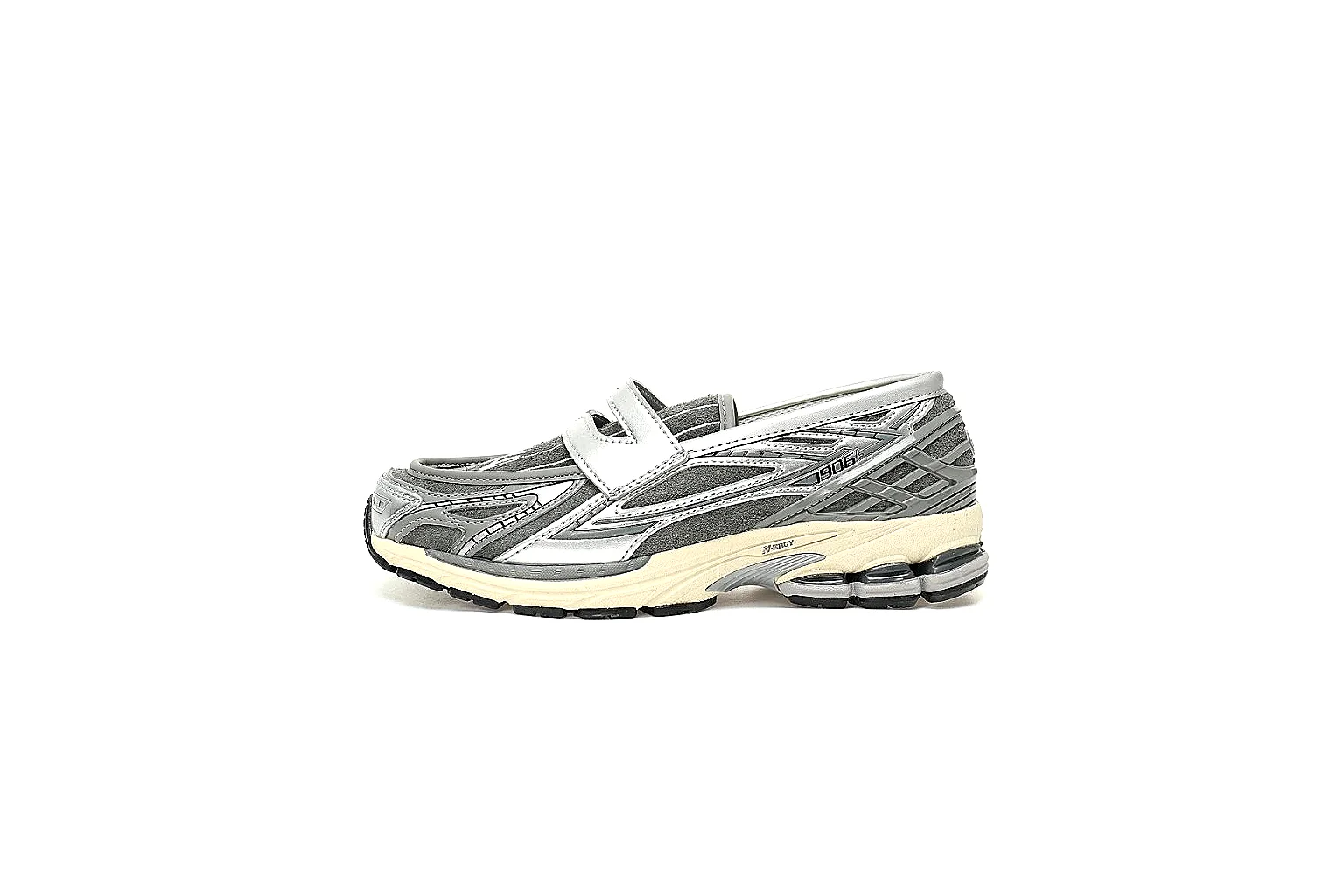
OOPBuy handoff for a silver grey 1906L loafer runner with exact size list and visual option checks.
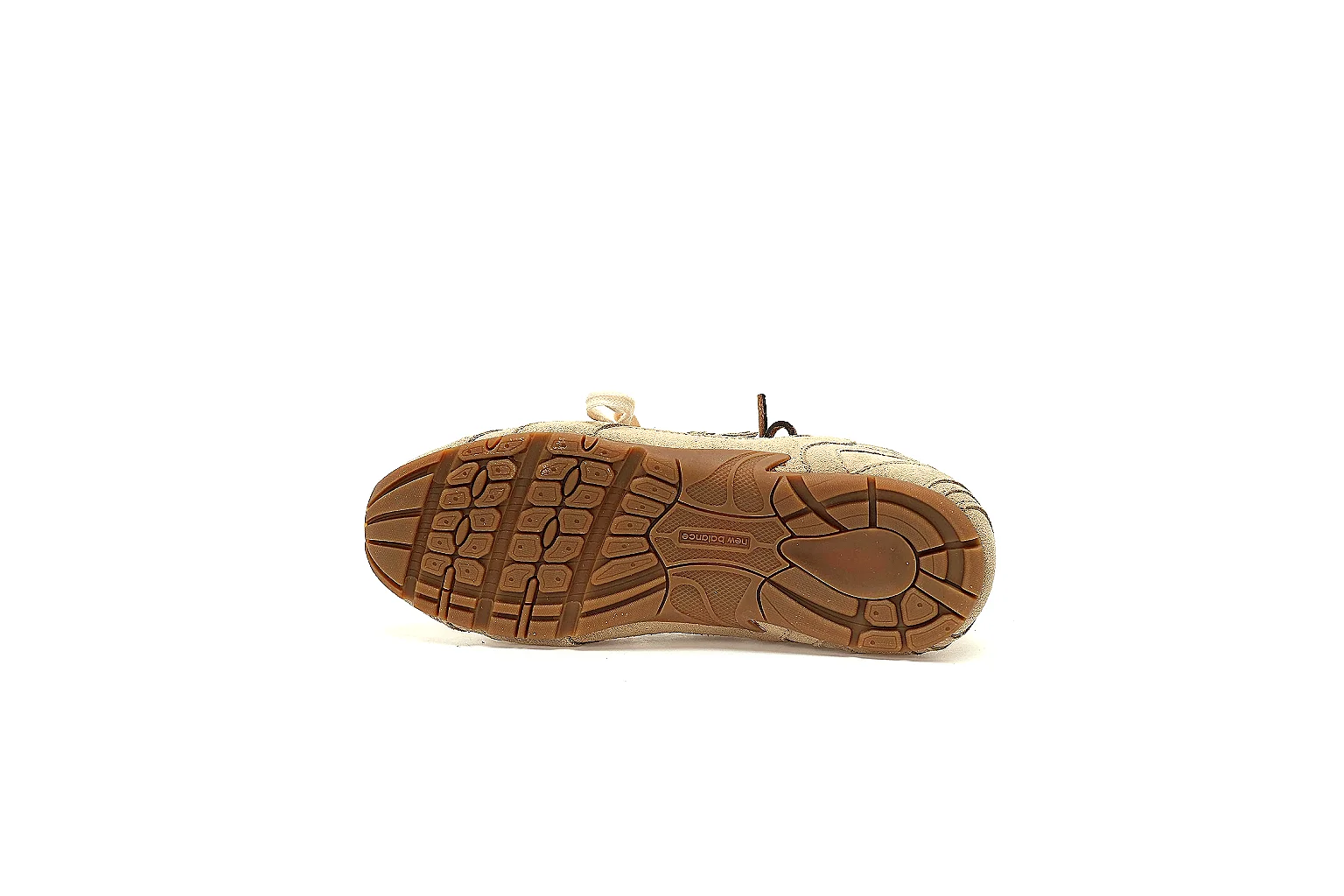
OOPBuy-ready brief for the beige New Balance 530 with gum sole, mixed laces and visible six-angle proof.
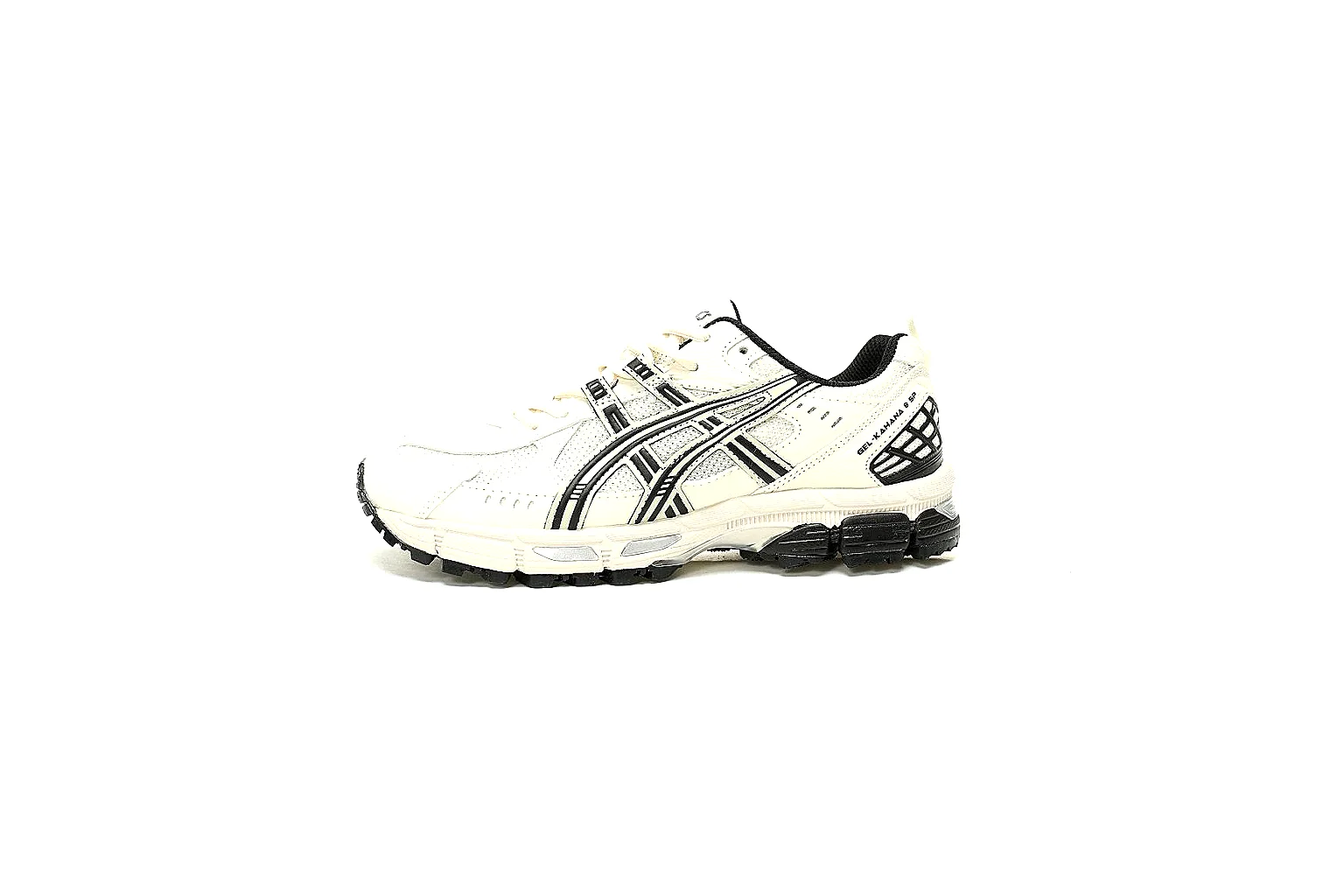
OOPBuy-focused brief for the white black ASICS GEL-Kahana 8 SP with size list and image checks.